
Prevention of Kidney Diseases – Diabetes and Hypertension
Preventing kidney disease starts with understanding the key risk factors and taking proactive steps to protect kidney health. Conditions such as diabetes and high blood pressure (hypertension) are the most common causes of chronic kidney damage. With early lifestyle changes, regular health monitoring, and guided medical care, many individuals can slow or even prevent the progression of kidney disease.
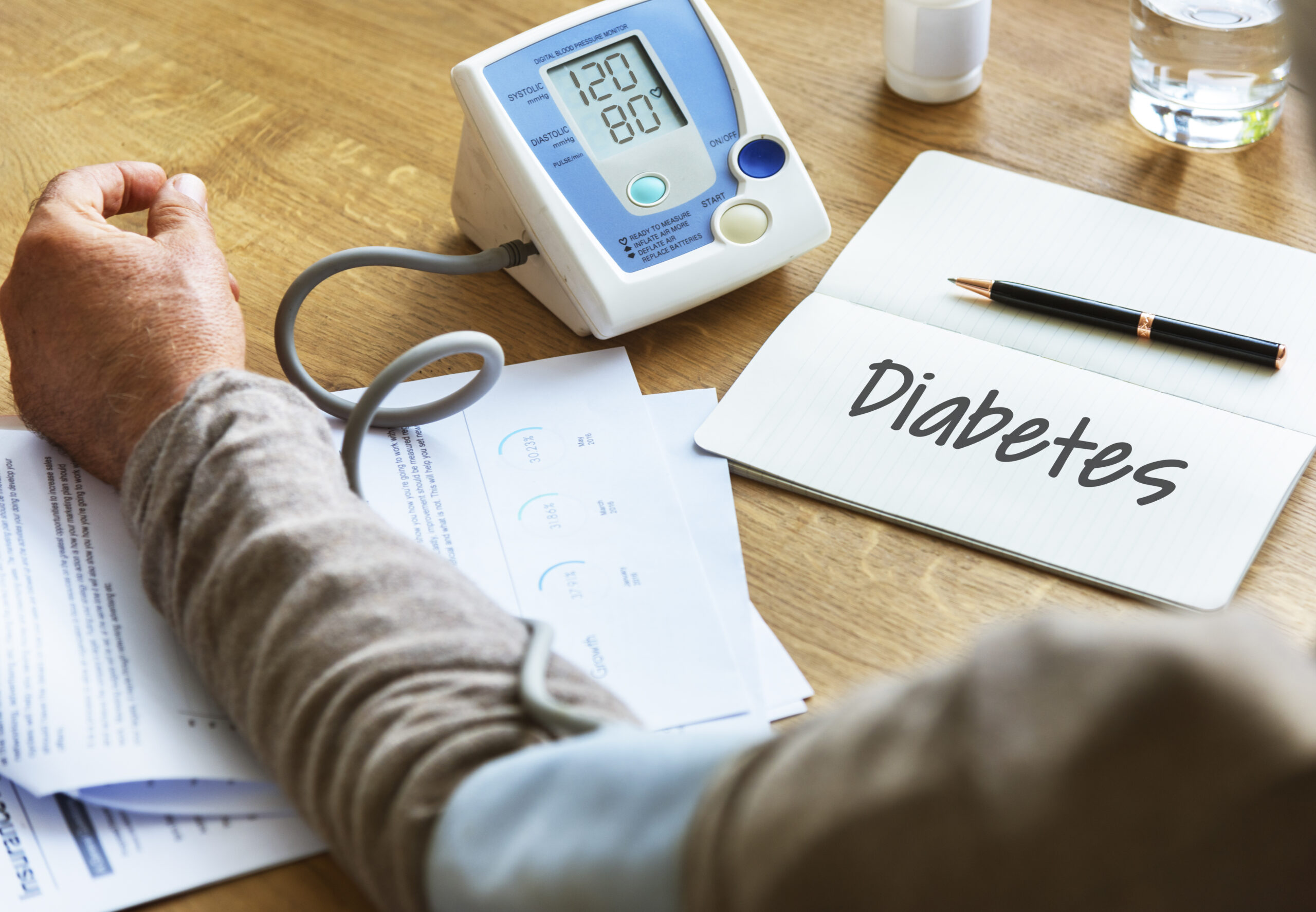
Understanding the Link Between Diabetes, Blood Pressure, and Kidneys
Your kidneys perform essential functions — they filter waste from the blood, balance fluids, and help regulate blood pressure. When blood sugar levels remain high over time, or blood pressure stays uncontrolled, the kidneys endure continuous stress. This can damage the tiny filtering units inside the kidneys, leading to progressive decline in kidney function. Managing these conditions effectively is the first step in preserving kidney health.
Common Risk Factors for Kidney Damage
Several health and lifestyle factors increase the risk of developing kidney disease:
Uncontrolled diabetes or high blood sugar
High blood pressure (hypertension)
Smoking and tobacco use
Obesity and being overweight
Sedentary lifestyle
High cholesterol or unhealthy diet
Identifying and addressing these factors early significantly lowers the likelihood of kidney harm.
Preventive Strategies for Kidney Health
Control Blood Sugar Levels
Keeping blood sugar within a healthy range is essential for people with diabetes. Regular monitoring of glucose levels, following prescribed treatment plans, and maintaining a balanced diet helps reduce stress on the kidneys and prevents long-term damage.
Maintain Healthy Blood Pressure
High blood pressure directly damages the blood vessels in the kidneys. Controlling blood pressure through lifestyle changes, exercise, and medication when needed protects kidney function and supports overall heart health.
Healthy Eating Habits
A kidney-friendly diet plays a big role in prevention. Eating plenty of vegetables, fruits, whole grains, and lean proteins while reducing salt, processed foods, sugary snacks, and saturated fats helps support stable blood sugar and blood pressure.
Stay Active and Maintain Healthy Weight
Regular physical activity helps control both blood sugar and blood pressure. Aim to include moderate exercise, such as walking, cycling, or swimming, most days of the week. Maintaining a healthy weight reduces strain on your kidneys and lowers the risk of complications.
Quit Smoking and Limit Alcohol
Tobacco use and excessive alcohol intake contribute to high blood pressure and vascular damage. Quitting smoking and limiting alcohol supports kidney health and improves overall well-being.
Regular Health Checkups Are Essential
Early kidney damage often shows no symptoms, so routine screening is crucial, especially if you have diabetes or hypertension. Regular tests such as blood pressure measurement, blood sugar checks, and kidney function tests help detect problems early. Early detection allows timely intervention and better outcomes.
When to Seek Medical Advice
You should consult a kidney specialist (nephrologist) if you have:
- Persistent high blood sugar or blood pressure
- Family history of kidney disease
- Swelling in legs or ankles
- Changes in urine output or appearance
A healthcare professional can provide individualized guidance to protect your kidneys and monitor key health markers over time.
Building a Strong Prevention Plan
Protecting your kidneys requires a combination of healthy lifestyle choices, regular monitoring, and professional support. With the right guidance and consistent effort, it is possible to reduce the impact of diabetes and hypertension on kidney health.
Compassionate Kidney Care
At our clinic, we emphasize prevention and long-term health. Our team works with patients to create tailored lifestyle plans, provide education about risk factors, and support regular health monitoring. Whether you are managing diabetes, high blood pressure, or concerned about kidney health, we are here to help you stay proactive and informed.